
Is It Time for a New Roof? 5 Key Factors That Determine Lifespan
Your roof is one of the most important investments you’ll make as a homeowner. It protects everything you care about from weather, pests, and the elements. Yet many homeowners don’t think about their roof until something goes wrong. At Repel Exteriors, we believe educated homeowners make better decisions about their homes. Understanding what determines your roof’s lifespan helps you plan for replacement, avoid costly emergency repairs, and protect your property investment. This guide explores the five key factors that influence how long your roof will actually last and the warning signs that suggest you might need replacement sooner than expected.
Most homeowners assume their roof will simply last until it starts leaking. In reality, roofs begin deteriorating long before visible problems appear. Installation quality, material choice, climate conditions, maintenance habits, and simple wear and tear all play critical roles in how long your roof performs. By understanding these factors, you can make informed decisions about repairs, maintenance, and replacement timing. Knowing when to replace your roof prevents water damage, structural problems, and the safety hazards that come with a failing roof system.
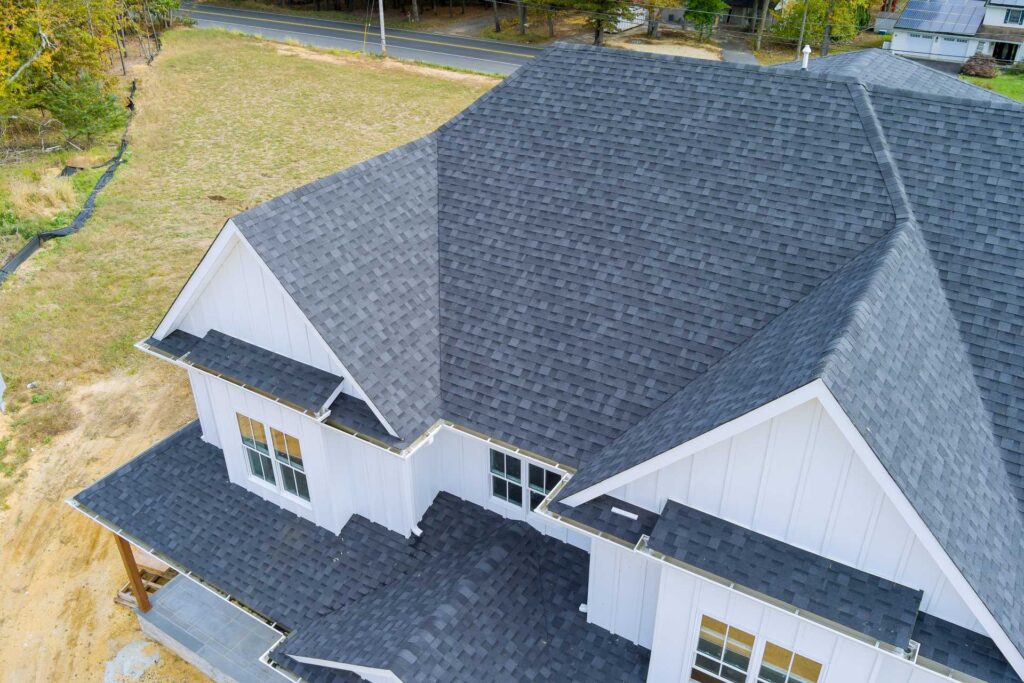
Factor 1: Installation Quality and Workmanship
Your roof is only as good as the installation. Even premium materials fail prematurely when installed incorrectly. Common installation mistakes include improper nailing, inadequate ventilation setup, substandard underlayment installation, and poor flashing around chimneys and vents. These errors compromise your roof’s ability to shed water properly and allow moisture to infiltrate your attic and home.
Professional roofing companies invest time in proper ventilation, correct fastening techniques, and quality underlayment because they know this groundwork determines actual roof lifespan. When you hire a reputable contractor, you’re investing in years of additional roof protection. This is why getting multiple quotes and checking contractor credentials matters significantly.
Factor 2: Material Quality and Shingle Type
Asphalt shingles come in three main varieties: basic 3-tab shingles, dimensional (architectural) shingles, and premium options. Basic 3-tab shingles are the most affordable but have the shortest lifespan. Architectural shingles are thicker and more durable, lasting considerably longer while offering better visual appeal. Premium materials provide even greater longevity and storm resistance.
The quality difference matters. Cheaper shingles use less asphalt and thinner backing materials, making them vulnerable to UV damage, wind, and extreme temperatures. Premium shingles feature better granule coverage that protects against sun damage and enhanced adhesives that resist wind and thermal stress. Your choice should balance budget constraints with long-term value and expected lifespan.
Factor 3: Local Climate and Weather Exposure
Your geographic location dramatically impacts roof longevity. Climate affects shingles through temperature extremes, UV intensity, humidity, and severe weather events. Roofs in cooler northern climates with moderate weather generally last longer than those in extreme environments. Homes in the Southwest experience intense UV radiation and dramatic temperature swings between day and night, accelerating deterioration. Southern properties face humidity, algae growth, and intense heat that ages shingles quickly.
Hail, tornadoes, heavy snow, and hurricanes all accelerate roof aging. Even without catastrophic storm damage, the repeated stress from weather cycles wears shingles down faster in harsh climates. Understanding your local climate helps you anticipate when replacement becomes necessary.
Factor 4: Attic Ventilation and Moisture Control
Poor attic ventilation is one of the most overlooked factors shortening roof lifespan. When your attic doesn’t breathe properly, heat builds up and essentially cooks your shingles from underneath. In winter, trapped moisture freezes and thaws, causing expansion and contraction that cracks shingles and loosens fasteners. Additionally, moisture promotes algae and moss growth that degrades shingle material.
Proper attic ventilation allows air to flow, maintaining consistent temperatures and humidity levels. This protects your roof from inside while allowing moisture to escape naturally. Many manufacturer warranties require adequate ventilation, and insufficient ventilation can void coverage entirely.
Factor 5: Maintenance and Regular Care
How often you maintain your roof significantly impacts longevity. Regular inspections catch problems before they become serious. Cleaning gutters prevents water damming that forces moisture under shingles. Trimming overhanging tree branches reduces debris accumulation and prevents physical damage. Removing moss and algae prevents deterioration and moisture trapping.
Minor repairs made promptly prevent major damage. A single missing shingle or small leak, when addressed quickly, prevents water damage and structural problems that necessitate complete roof replacement.
Protect Your Home with a Professional Roof Inspection
Your roof deserves expert attention. At Repel Exteriors, we provide thorough roof inspections that evaluate material condition, identify potential problems, and determine realistic remaining lifespan. We help you understand your roof’s health and provide honest recommendations for repair or replacement.
Ready to know the true condition of your roof? Contact Repel Exteriors today for a comprehensive inspection and detailed assessment. We’ll help you plan for the future and protect your home with confidence.